
Description
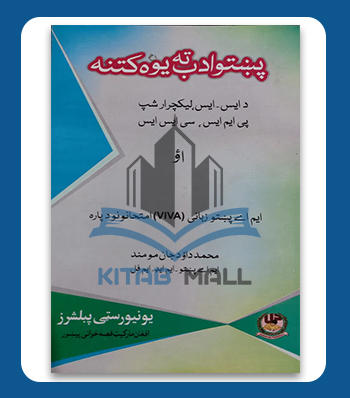
Pashto literature 🎭 is an inseparable part of the Pashtun identity, deeply rooted in their history 🏞️, culture 🎨, and language 🗣️. For centuries, it has been a beautiful expression of emotions 💖, bravery ⚔️, love 🕊️, loyalty 🤝, and timeless values of life.
The journey of Pashto literature began with ancient oral traditions 👵📜, proverbs, folk songs (tappay) 🎶, and storytelling, which were later preserved and enriched by legendary poets and writers in written form 📚.
✨ Some of the shining stars of Pashto literature include:
-
Khushal Khan Khattak – Poet of courage, honor, and national spirit ⚔️📜
-
Rehman Baba – Voice of spirituality, mysticism, and pure love 🕊️🕌
-
Hamza Baba – Poet of romance, beauty, and human emotions 💘🌸
-
Ghani Khan – Thinker and poet of philosophy, humor, and depth 🧠🎭
Pashto literature is not just about glorifying the past; it captures the pulse of the present too. Modern writers ✍️ reflect on social challenges, cultural shifts, political realities 📰, and global themes through powerful prose and poetry. Their words continue to enlighten minds and inspire generations 💡📖.
🎨 Key branches of Pashto literature:
-
Folk Literature (proverbs, tappay, tales) 👂📖
-
Poetry (ghazals, nazms, epics) 🎤📜
-
Prose (novels, essays, sketches) 🖋️📘
-
Drama and modern literary genres 🎭📺
Pashto literature is a precious treasure 💎 that preserves and promotes the linguistic, cultural, and intellectual heritage of the Pashtun people — offering wisdom, beauty, and inspiration for all.

There are no reviews yet.